Running your small Portland, ME business can be a rewarding and satisfying endeavor. However, without the right liability insurance coverage, running your small business open you up to lawsuits. Here is a brief description from Noyes Hall & Allen Insurance of the most common business liability insurance.
Worker’s Comp
Worker’s compensation insurance is required in Maine for any business with employees. As a business owner, you need to stay up to date on your state’s requirements concerning worker’s compensation insurance. Worker’s compensation insurance protects your employees when they are injured on the job. This also protects you as the employer from liability for said injuries.
Liability Insurance
General liability is one of the most important types of insurance for the small business owner to have. Liability can come in many forms. Individuals can get injured on your property or by your product. Something could go wrong with a service you provided resulting in damage or injury. Liability insurance will protect you in these situations and ensure that your company is not required to pay out of pocket for these types of liability claims.
Commercial Auto
If your company owns vehicles in order to provide services or deliveries, then you need business auto insurance. Commercial vehicle insurance can cover your drivers and your vehicles in the event of an accident. If your company uses vehicles, then you will no doubt have invested a good deal of money into those vehicles. This will protect that investment.
Umbrella Insurance
Commercial umbrella insurance policies help small business cover all their bases in one simple policy. Umbrella policies provide high limits of liabilty over your general liability and business auto policies. To learn more about small businesses, contact our friendly staff at Noyes Hall & Allen Insurance serving Portland, ME at 207-799-5541. We offer a choice of Maine’s best business insurance companies, so we can help you find the best value. We’re independent and committed to you.
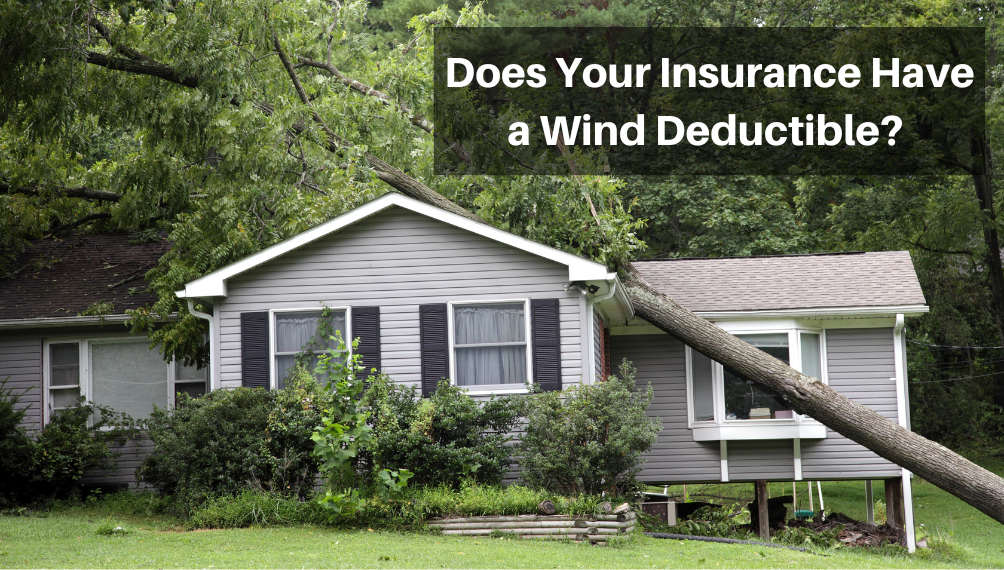
When the blows hard many homeowners and business owners discover that their insurance policy has a wind deductible. Windstorm insurance deductibles have been common in the Southern US for years. In Maine, they’re more commonly found on insurance policies for coastal or island properties.
Not every insurance policy in Maine has a separate wind deductible. If your policy doesn’t list one, then your regular property deductible applies to wind damage.
Wind Deductible Amounts – Flat or Percentage
Most homeowners and business property policies have a flat deductible that applies to all causes of loss. These are fixed dollar deductibles. For example if your deductible is $1,000 it applies whether you have a break-in, fire, water or wind damage, you pay the first $1,000.
Many wind deductibles are “percentage deductibles“. The deductible is a percentage of the insurance amount, NOT the actual loss. For example, if your home is insured for $500,000 and has a 1% wind deductible, a $5,000 deductible applies to wind damage, and your flat deductible applies to other causes of loss.
Common Types of Windstorm Damage in Maine
Wind blows a tree onto property, damaging it.
Wind damages roof shingles or siding.
Wind-driven rain lifts shingles and siding, allowing water into the building.
Three Types of Wind Deductible in Maine Insurance
Hurricane deductibles
“Named Storm” deductibles
Wind deductibles
Hurricane Insurance Deductible
A hurricane deductible only applies if your wind damage was caused by an actual hurricane. If your property is damaged by wind during any other kind of storm, the deductible doesn’t apply. Insurance policies define when a hurricane deductible applies. Usually it’s during the time and place that a hurricane watch or warning is in effect.
“Named Storm” Insurance Deductible
“Named storms” include tropical storms and depressions, as well as hurricanes. These occur more frequently, so “named storm” insurance deductibles are more likely to be applied. A homeowner would rather have a hurricane deductible.
Historically, “named storms” were limited to tropical cyclones. But in recent years, the National Weather Service has begun naming winter storms. Does wind damage that occurs in one of these named winter storms cause the “named storm deductible” to apply? That’s unclear. In our South Portland Maine insurance agency, we haven’t heard of an insurance company invoking that. But, it could happen.
Wind Damage Insurance Deductible
Wind deductibles apply to all kinds of wind damage, including those caused by hurricanes, named storms, or other wind. Even moderate winds can cause damage to property. A homeowner or business owner would prefer a hurricane deductible or a named storm deductible to a wind deductible. That’s because windy days happen much more frequently than hurricanes.
Which Insurance Companies Use Wind Deductibles?
Some insurers use only hurricane deductibles. Others use Named Storm deductibles. Still more use wind deductibles. And some don’t use wind deductibles at all.
Each insurance company has its own guidelines. Some large national insurers use a wind deductible for any property within 1 or 2 miles of the coast. That’s a lot of homes in Maine. Many use special deductibles for properties within 1000′ of the coast.
The geography of Maine’s coast varies greatly. South of Portland, much of the coast is low-lying beaches open to the Atlantic. This allows ocean windstorms to affect properties farther from the shore. North of Portland, the coast is more rocky and rugged. Many elevated peninsulas create leeward inlets and protected harbors.
Some insurance companies that understand Maine underwrite these coastal areas differently. They may require a special deductible for properties more exposed to wind, and not for others.
Does Your Insurance Policy Have a Wind Deductible?
If your policy has a separate windstorm deductible, contact Noyes Hall & Allen Insurance in South Portland at 207-799-5541. We offer a choice of many of Maine’s preferred home and business insurance companies. Depending on the location of your home, we may find an insurer willing to insure your property with a flat deductible. This could save you thousands of dollars in case of windstorm damage.
The Portland Maine Water District offers Home Serve service agreement products. There are three options: exterior water lines, exterior sewer lines, and interior plumbing.
Does a water district plan duplicate coverage you already have under your homeowners?
Can you buy water or sewer line coverage from an insurance company?
Is it cheaper to buy water line coverage from an insurance company, or the water district?
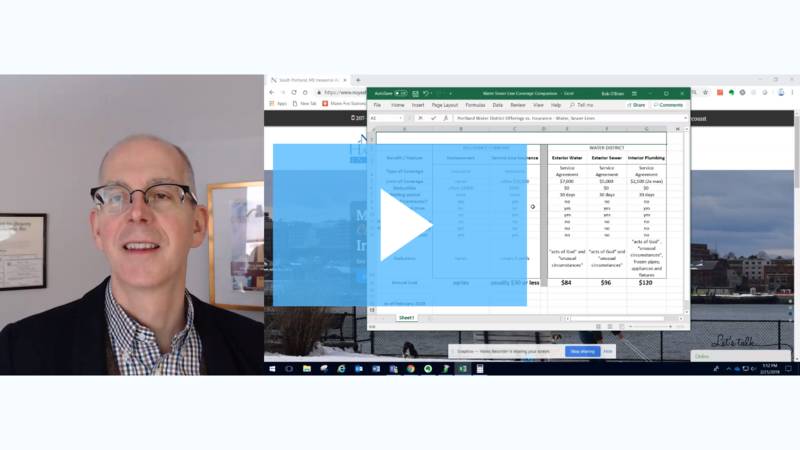
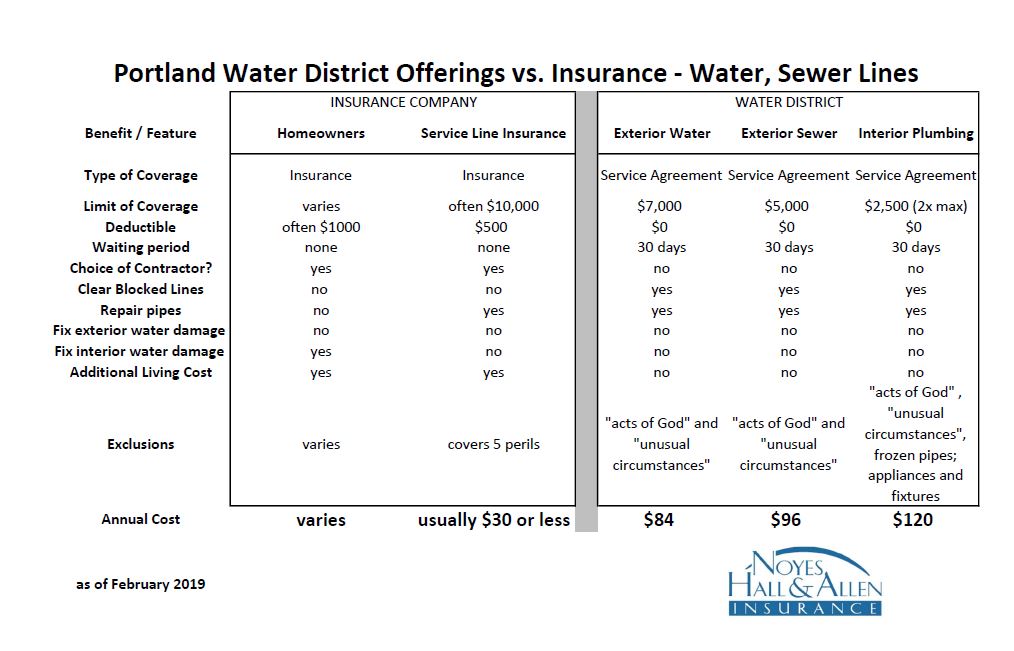
We’ve created a spreadsheet comparing what’s covered by the water district plans with what insurance products cover. We’ve also outlined the cost and benefits of each. This 11 minute video reviews it in detail:
If you prefer to look at the spreadsheet yourself, here it is:
Some of the key differences between the plans:
Not every insurance company offers service line coverage yet. It’s getting more popular all the time.
Insurance coverage limits are generally higher than the water district plan.
The water district plan is actually a service agreement, not an insurance policy.
Insurance has deductibles. The water district service agreements don’t.
No waiting period for insurance. 30 day wait for service agreements.
Insurance allows you to choose your own contractor. The water district plan requires you to use theirs.
Pre-paid water district service agreements cover the cost to clear blocked pipes. Insurance does not cover maintenance issues like this.
Insurance covers costs to live elsewhere during repairs after a plumbing or sewer disaster. The water district plans do not.
Insurance costs 66% to 90% less than water district plans.
Choose a Water District Plan If: – you prefer to pay more for the security of no surprises. – you don’t want to pick your own contractor.
Choose Insurance If: – you can handle a $500 or $1,000 deductible for a much lower cost. – you want to use insurance for “the big stuff” like crushed lines, not smaller plumbing issues.
If you have questions about Greater Portland Maine property insurance, contact a Noyes Hall & Allen Insurance agent in South Portland. We offer a choice of many of Maine’s best insurance companies. We can help find the best fit and value for you. We’re independent and committed to you.
Most insurance companies in Maine surcharge insurance rates
after you’ve had an at-fault accident. That’s because people who’ve had one accident
are statistically more likely to have another. So should you pay for auto damage
after a small crash yourself, instead of making an insurance claim? Here are
some things to consider before you decide.
Is My Auto Accident
Considered “At-fault”?
In Maine, unless another party is 100% at fault you may share
some fault in the crash. Some examples of 100% at fault could be:
running a red light or stop sign;
hitting you while your car was legally parked
changing into your lane and sideswiping you.
“At fault” doesn’t have to mean 100% at fault. Even if the
other party is mostly at fault for the crash, you are still partially responsible.
If your insurance company pays to fix your vehicle, and isn’t reimbursed by another
insurer, they may charge you for an “at fault accident”.
Is My Accident Damage
Below the Insurance Company’s Threshold?
Some insurers don’t charge for minor at-fault accidents with
no injuries. Common thresholds are $1,000 and $1,500 of total damage to all
vehicles. If your damage is below that amount, they’ll simply pay your claim
and not surcharge your future rates.
Do I Have Accident
Forgiveness?
Several insurers allow you to avoid a surcharge for your
first accident. Most charge extra for that option. Every
insurer uses different rules and calls this coverage something different. It’s
commonly known as “accident forgiveness”. Some insurers only forgive the
accident if you have no violations in the last several years. Interested in
accident forgiveness? Ask your agent to compare their offerings. There are no
standard terms.
How Much Will My
Insurance Increase After an Accident?
If
your accident is:
“at fault”
above the company’s threshold
and not subject to accident forgiveness
your rates will increase at your next auto
policy renewal.
How
much? That depends on:
How much you’re already paying. Surcharges are
usually a percentage of premium. So, they more you’re paying, the higher your
surcharge would be.
How many other accidents you’ve had. Most
insurers charge a higher percentage for each accident within the 5 year
experience period. If this is your second, it will cost more than the first did.
How long the insurance company surcharges for
accidents. Many surcharge for 3 or 5 years. Some charge more the first year and
decrease the surcharge each year until it’s gone.
Based upon what we see, following an accident, your insurance
rates can increase anywhere from 7% to 20%.
Decreased
Transparency in Insurance Rates
Insurance companies used to provide rate manuals to their
agents. The manuals showed accident surcharge factors and told us how they were
applied. Most insurers no longer provide this information. To agents, or even
to their underwriters. Rating has also become much more complex.
Insurance companies now calculate custom rates for each
person, instead of grouping similar people. Your agent can no longer predict
the exact effect an accident will have on your future insurance costs. Even the
insurance company underwriters are in the dark. They can’t answer questions any
better than agents can. It’s far from ideal.
We’re Here to Help
At Noyes Hall & Allen, we recommend that our clients buy
accident forgiveness if they want maximum stability. This helps keep insurance
costs predictable. Most good drivers appreciate that. For answers to your Maine
auto insurance questions, contact a Noyes Hall & Allen Insurance agent in
South Portland at 207-799-5541. We offer a choice of several insurance
companies, so we can help you find the best fit. We’re independent and
committed to you.
No one wants to wake up or walk out to a parking lot after shopping and discover their car has been stolen. Unfortunately, this is a situation hundreds of thousands of people find themselves in each year. If your car has been stolen, you may find yourself wondering what to do, or what order to do things in. Here is some information from Noyes Hall & Allen Insurance, serving the greater Portland, ME area.
File a Police Report
After your car has been stolen, the first thing you will want to do is file a police report. This ensures your vehicle is listed as stolen, which may help the police to locate it faster. It also helps to protect you in case the individuals who took your car causes damage to other vehicles or property with your car.
Contact Your Insurance Company
Once your car has been reported stolen with the police, you will want to contact your insurance company. Let them know that your vehicle has been reported stolen to the property authorities, and if you have it, provide them with the police or case number. The insurance company requires you to wait a period of time before they will pay out on a stolen car claim, so starting the clock as soon as possible is essential.
Unfortunately, not every insurance policy covers your car if it is stolen. If you are looking to learn more about auto insurance, find out what coverage you have, or increase your coverage in the greater Portland, ME area, let Noyes Hall & Allen Insurance help you. Contact us today to schedule an appointment to discuss your auto insurance coverage.
Even if you just started up your small business in the Portland, ME area, it is a good idea to sit down with one of our friendly agents at Noyes Hall & Allen Insurance to make sure you have the coverage you need. Maybe you are using your personal van, truck, or SUV to save on capital expenditures. If so, your personal auto insurance might not fully protect you or your business. You may need commercial auto insurance.
Making Deliveries in Your Own Vehicle?
If you are delivering goods to clients in your vehicle and cause an accident, an injured party may go after your personal assets as well as your business. A commercial auto insurance policy would provide the liability protection your growing business needs to stay afloat.
Sending Someone for Business Errands
Do you ever send someone to get supplies, tools, or even lunch, using their own vehicle? That’s a business use. Your business can be sued for any injuries or damage they cause. Of course, if you have employees, you need to purchase workers compensation insurance to pay their medical bills and lost time.
Driving the Crew to a Job
When you are the boss and are offering transportation in your SUV to your workers, it becomes a business vehicle. Make sure that you carry sufficient coverage for liability and medical expenses if something goes wrong.
When starting a business, it’s important to control expenses. But improper insurance takes big chances with your personal investment. By purchasing the right commercial liability, auto, and workers compensation insurance, you allow your Portland, ME business to grow instead of being bankrupted by a lawsuit or other disaster.
Give our agents a call at Noyes Hall & Allen Insurance for more tips and the right coverage today.
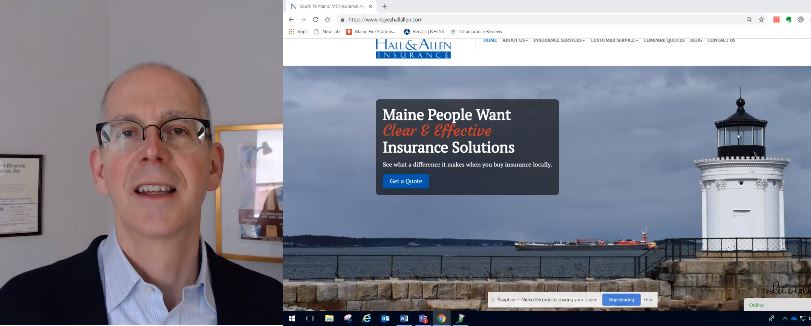
We have invested in a new service for our clients: 24 x 7 access to your insurance documents from the Noyes Hall & Allen Insurance Client Center. Now you can view your secure policy information, download insurance cards and other proof of insurance, and request policy changes anytime. This 6:17 video explains how:
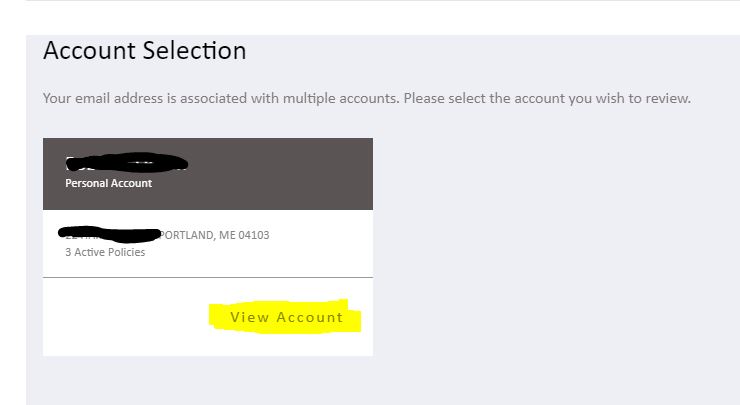
Log in to the Noyes Hall & Allen Client Center from our home page. Simply enter the email address associated with your account. We will email a one-time code. Enter it in the field, and you’re in! Note: some mobile users may have difficulty with certain browsers. We’ve found that Google Chrome works reliably with most devices.
Select View Account to see the information you want.
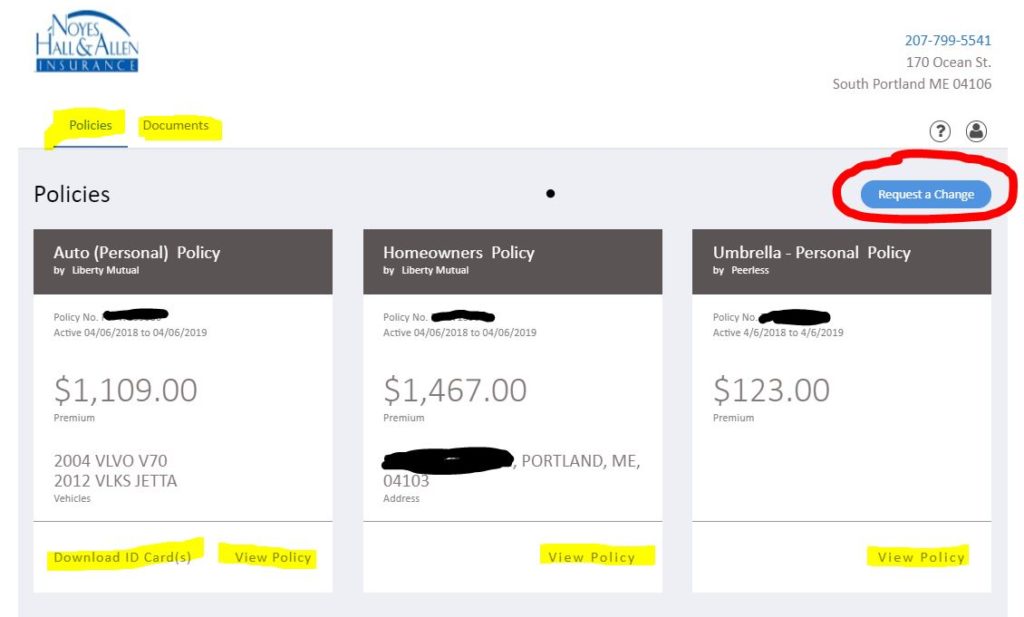
Select Policy to see your in-force policies and coverage info, or Documents to see or download proof of insurance, correspondence, or other information we have shared with you. Note that you can also request a change to your insurance policies from the Client Center.
When you’re done, you can log out by clicking on the person icon in the upper right, or simply closing your browser. Our vendor uses the latest security technology to keep your personal information private. You can view our privacy policy here.
THAT’S IT!
We hope you find the Noyes Hall & Allen Insurance Client Center useful to access your information when it’s convenient for you, whether the office is open or not.
Please note that these are very simplified views of your policy info. You may have purchased additional coverage which doesn’t show on the Client Center policy screen. Your actual insurance policy is always the definitive document of your coverage.
If you have any questions about your insurance, call a Noyes Hall & Allen agent at 207-799-5541. We’re independent and committed to you!
No one enjoys making an insurance claim. Something bad happened. You need it fixed. Soon. So much to do! Repair a car or building. Run a business. Get a temporary vehicle. Find a place to live or work. Heal from an injury. Replace damaged or stolen property. Deal with another party after the accident. Stress!
It’s an inconvenience you didn’t need. But, that’s why you bought insurance, right? It’s time for policy to do what it promises: fix you.
Insurance is a Two-Party Contract
Your insurance policy is a written contract between you and your insurance company. No one can change it after a claim. Your contract makes you responsible for certain things. The insurance company too. The policy specifies what’s covered, what’s not, and how losses are paid.
If you purchased your policy from an agent, they can help you through the process. But some things you have to do yourself.
Things only YOU can do in an insurance claim:
Make a statement about what happened to insurance companies
Prove your loss
Choose a contractor or repair shop (some companies have preferred contractors or shops, but cannot force you to use them)
Accept or reject a settlement
Things only your ADJUSTER can do in an insurance claim:
Determine whether your policy covers your loss
Decide who’s at fault in claims involving more than one party
Evaluate and pay claims
Some claims never involve anyone but you and the insurance company. You report it directly to the insurance company. The claim is minor. Settlement is simple. Everything goes smoothly. Other claims are more complex.
You never know which kind of claim you will have. That’s why it’s good to have an agent on your side. Not to mention for the advice they can give you the 99.9% of the time when you’re NOT having a claim.
What Use Is an INSURANCE AGENT after a Claim?
A good insurance agent:
Helps you decide whether to make a claim at all. Is your claim clearly not covered? If it is clearly covered, what’s your policy deductible? Is your insurance cost likely to increase if you make this claim? How much? An agent can answer these initial questions so you can decide whether you want to make a claim at all.
Is your insurance sherpa. There’s a lot to know and remember. Report your claim to your insurance company or someone else’s. Protect your property. Gather information you’ll need later. Find a temporary solution until the adjuster can take over. An experienced agent is your sherpa in foreign territory.
Is your claim cattle dog. Haven’t heard from your adjuster? Waiting for an appraisal? Having trouble preparing the reports the insurance company needs? A good agent can pull things together and herd your claim in the right direction.
Has clout with the insurance company. Agents help their clients to find good insurance companies. So insurers want to be on the agent’s “good list”. A trustworthy and knowledgeable agent earns the respect of the insurance company. They can use that to advocate on your behalf. An agent can’t create coverage where there isn’t, but they can influence the process.
Is an “insurance translator”. A good agent can explain the gobbledy-gook in that letter from your adjuster. They can tell you why the offered settlement may be different than you expected. They can explain to the adjuster, using insurance terms, it if it’s wrong. Your agent can even translate in real time, meeting with you and the adjuster face-to-face, to resolve issues.
Helps insurance companies get better. Want to let your insurance company know how your claim went? Compliment your adjuster? Complain about the company’s preferred service provider? Rave or rage about the service you received? Share advice for how to make it better? A good agent has a pipeline to the insurance company, and knows where to send the feedback to get the most impact.
Need Help With a Claim? Ask Your Agent!
Don’t assume that your agent knows how your claim is going. Insurance companies don’t routinely communicate with agents during a claim. If you need help, ask your agent. At Noyes Hall & Allen Insurance, we ask our clients if they need help a week after they file a claim on their policy. Many don’t need help. But for those who do we’re able to jump in and assist where needed. We believe that helps our clients’ claims go smoother than they might otherwise.
Do you own a business or live in the Portland Maine area? Looking for an experienced agent who represents several insurance companies? An agent who can help you choose the right insurer and be available if you have a claim? Contact a Noyes Hall & Allen Insurance agent in South Portland at 207-799-5541. Or just click “get a quote” above. We offer a choice of Maine’s preferred business and personal insurance companies. We’re independent and committed to you.
You’ve been in a crash. You think it’s clearly the other driver’s fault. Should you use your own Maine auto insurance policy or go against the other driver’s insurance company? This is an issue we discuss with several clients a month. The answer and the process can be complicated.
Maine is a Modified Comparative Negligence State
Comparative negligence means your settlement in a claim can be reduced if you were partly at fault for the crash. Modified comparative negligence in Maine means that if you were less than 50% responsible for the damages, you can still recover some damages from the party that was more at fault than you. But if you were 50% or more responsible, you cannot collect damages from another party. You have to rely on your own insurance, or pay the loss yourself.
Example: You’re stopped in a line of traffic. One of your brake lights is burned out. Another driver, traveling too fast, can’t stop in time and rear-ends your vehicle. Your missing tail light could be determined to have contributed to the accident – let’s say 5%. The other driver’s speed and inattention is determined to be 95% at fault. They cannot collect any damages from you, but you can collect 95% of any medical costs and the cost to repair your vehicle.
Who Determines Who’s at Fault in a Car Accident?
If liability isn’t completely clear, insurance company adjusters usually negotiate payment of damages. They use police reports, statements from the people involved and Maine state law to determine relative fault. If the two parties can’t agree, one or more can file a lawsuit. Liability can then be determined through the courts, if the dispute lasts that long.
Should You Use Your Own Car Insurance if You’re Not at Fault?
If you’ve bought collision coverage for your vehicle, you have the option to file a claim with your own insurer. If not, then you have no choice but to go against the other driver’s policy.
If you file a claim on your own policy, your insurance company will pay to repair or replace your car, less your deductible. If you purchased rental reimbursement, they also pay to rent another vehicle while yours is not drivable. If the other driver is 100% at fault, their insurance pays to repair your vehicle, rent a replacement while it’s not driveable, and your related medical bills.
Now, back to the process of deciding whose insurance to use.
Using Your Insurance: PRO
You KNOW you have insurance. You can never be sure about the other driver, even if they presented a policy number or insurance card at the accident scene.
You haves some clout with your own insurer. You are their customer.
The process is often faster, because you’re not arguing about whose fault the accident was. You are probably able to reach a settlement faster.
You have an agent to help you through the process (assuming that you bought your insurance from a person and not an 800 number or web site).
Using Your Insurance: CON
You’ll have to pay your deductible up-front to have your vehicle fixed. There’s no guarantee you’ll get that back. If your company is successful in collecting from the other party’s insurance (a process called “subrogation“), they will refund your deductible.
You may not have purchased rental coverage. Even if you did, it has a daily dollar limit and a maximum dollar limit.
The subrogation process takes time; even if your company successfully subrogates against the other insurance company, you will probably have to wait for weeks to get your deductible back.
If your insurer isn’t successful in subrogation, they may count your accident against you. This could raise your rates down the road.
Using The Other Party’s Insurance: PRO
You collect directly from their insurance company. You do not have to pay a deductible, because you’re using their liability insurance.
If you need to rent a replacement vehicle while yours is unavailable, there is no daily or maximum dollar limit. As long as the vehicle is a reasonable replacement for what was damaged.
Your insurance company won’t count the accident against you, because it was “not-at-fault”.
Using The Other Party’s Insurance: CON
The other party may not have insurance – even if they presented an insurance card at the accident scene. And, even though it’s mandatory. They may have not paid their premium or canceled their policy.
They may not have ENOUGH insurance. Maine only requires drivers to carry $50,000 per person for injuries to other parties and $25,000 property damage. If you’re tooling around in a modest late model vehicle, $25,000 may not be enough to replace it if it’s totaled.
The other insurer may not readily accept liability. Some companies “play nicer” than others (we won’t name names here). Some are notorious for denying liability, no matter how clear-cut it may seem. This can drag out the whole process of getting you and your car back on the road, making it longer and more inconvenient than it needs to be.
A police report may be necessary to prove who’s at fault, especially if your story and the other party’s don’t match. Some police departments are very quick to prepare accident reports and make them available. Others can take several days or weeks. Meanwhile, you need to have your car fixed.
Your agent won’t be able to help as much as in a first party claim. They may be able to offer advice, but since they probably don’t represent the other company, they have less influence with them.
Should You Notify Your Insurance Company Even if You File a Claim with the Other Insurer?
This is good practice, for a few reasons:
If the claim with the other company doesn’t go well, you can expedite the claim with yours.
If the other party claims that you were at fault, your insurance company knows about the crash and is prepared to defend you.
Your insurer will know about the accident. When it shows up on your motor vehicle record, they won’t charge you if you’re not at fault.
What To Do?
As you can see, it’s not a simple decision, and it depends greatly on the circumstances of your individual case. That’s just one reason why buying insurance from an agent – a knowledgeable advocate – is a smart decision. If you bought your policy from an 800 number or the internet, you won’t have a trusted advisor to help you decide which way to go with your claim.
If you live in the Portland Maine area and are looking for an insurance agent who can answer auto insurance questions and help you with the process, contact a Noyes Hall & Allen Insurance agent in South Portland at 207-799-5541. We offer a choice of Maine’s preferred insurance companies. We can help you find the right fit. We’re independent and committed to you.
If you own an antique, classic or sports car in Maine, Fall means time to take your car off the road for winter. It’s sad, we know. It’s also a bit scary to lock your baby up for the winter and hope for the best. Here are 3 tips for properly storing and winterizing your vehicle, and some good news about antique or classic car insurance.
Choose a Safe, Dry Storage Location
Moisture is your car’s enemy. Your storage place should have a concrete floor, not bare earth. If it isn’t climate controlled, crack the vehicle’s windows to avoid interior moisture buildup. Use a tight-fitting but air permeable cover made especially for vehicle storage. If you wash your car right before putting it away, make sure that it’s completely dry before covering it.
Obviously, you want it to be secure from vandals, theft or animals, too. Rodents can create expensive damage if they chew wires or nest. Some people recommend placing a ball of steel wool in the exhaust pipe opening and air intake. Other people recommend lining moth balls around the outside of the car to deter pests.
Check Engine Oil and Other Fluids
It’s a good idea to check your engine oil for dirt and excessive mileage before putting your vehicle away for the winter. Changing the oil in the Fall can put you on the road faster next Spring, to take advantage of those first few glorious glimpses of warm weather.
Fill the tank with gas and add a fuel stabilizer. Distribute the stabilizer through the system by running the car for a few minutes. Make sure anti-freeze and other fluids are topped up as well.
Take Care of Your Tires and Battery
Proper tire inflation will help avoid flat spots. Park on a level surface. If your car has a manual transmission, leave it in neutral with the parking brake disengaged and the wheels chocked. If your vehicle has an automatic transmission, it’s OK to leave it in Park.
Many antique and classic car owners pull the battery for the winter and keep it in a warm place, connected to a trickle charger or battery tender. Some newer vehicles require the battery to remain hooked up to keep continuous security and other electronic systems operation. It’s a good idea to keep a trickle charge on your battery in this case.
Drop or Suspend Your Car insurance for Winter
Most Maine auto insurance companies allow you to “suspend” coverage once a year while your car is off the road. That means dropping liability, collision and all other coverage except comprehensive. Your vehicle would remain insured against theft, tree or animal damage and collapse of the garage. This greatly reduces the insurance costs for the storage months.
Even if you don’t insure your car for collision or comprehensive, you can remove the vehicle completely from your policy. Whether you suspend or remove your vehicle, remember to call your insurance agent before driving it again. Otherwise it has no insurance.
Antique and classic car insurance rates in Maine contemplate our short season. The insurance premium for Maine classic and antique vehicles is very low. Therefore, they do not allow suspension of coverage. They are designed to be annual policies. The good news is that if we get a beautiful day in late Fall or early Spring, you can take your vehicle for a spin and be insured.
Have questions about Maine auto insurance? Contact a Noyes Hall & Allen Insurance agent in South Portland at 207-799-5541, or get a Maine car insurance quote here. We offer a choice of many of Maine’s best insurance companies. We can help you find the right fit for your needs. We’re independent and committed to you.